Patent litigation is the legal process used to resolve disputes about patent infringement, validity, enforceability, and related rights. Understanding the available forums and likely business impact can help you decide how to respond.
Key Takeaways
- Patent litigation is different from patent infringement and patent prosecution. Litigation is the dispute process, infringement is the alleged conduct, and prosecution involves obtaining a patent.
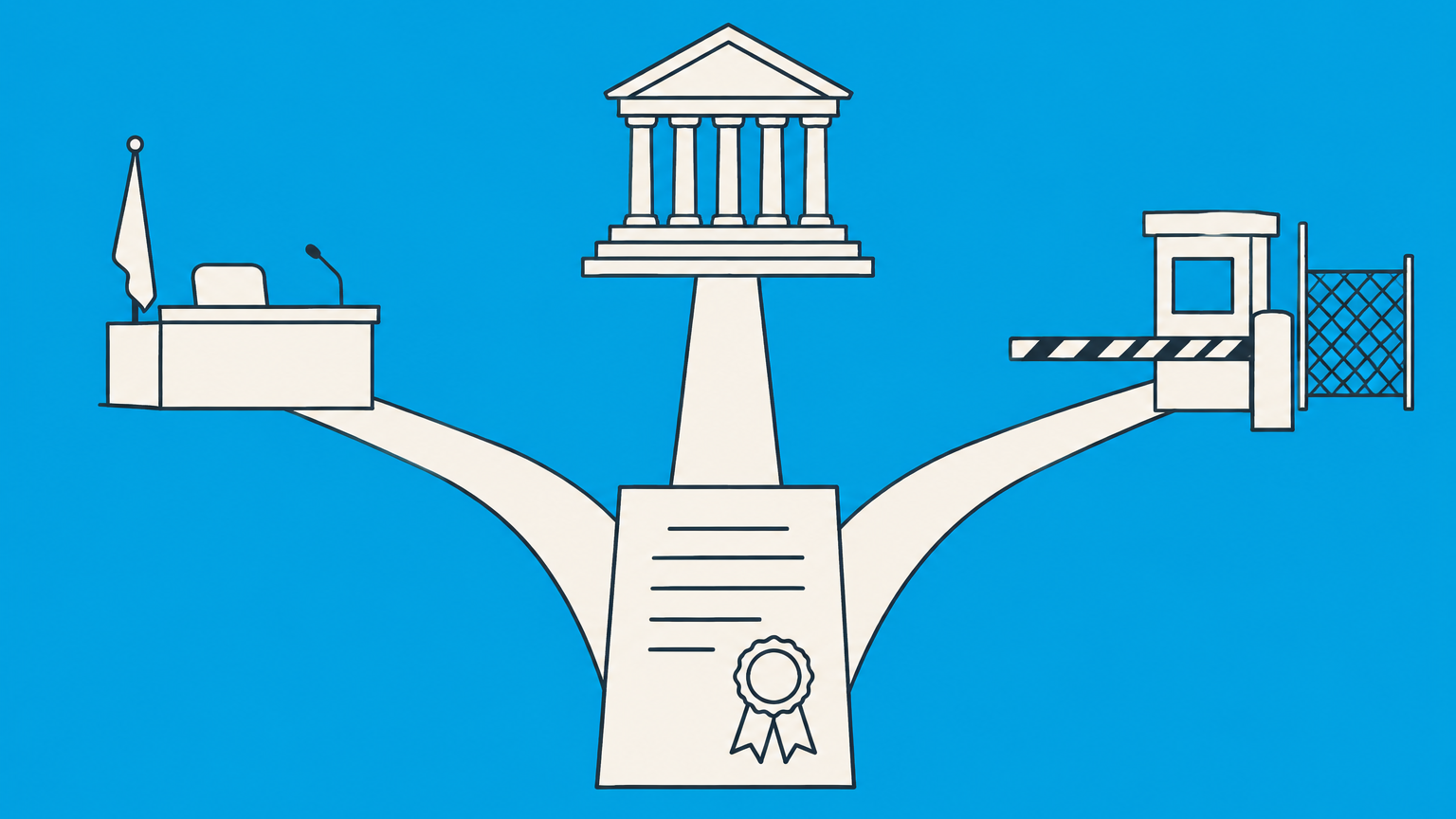
- Federal district courts can decide infringement, validity, damages, and injunction requests. PTAB proceedings address patentability, while the ITC focuses on imported products.
- The patent litigation process commonly includes pleadings, claim construction, discovery, expert analysis, motions, trial, and possible appeal.
- Patent litigation strategies should reflect business goals, prior art, available evidence, potential remedies, forum choices, and settlement options.
- Costs depend on the number of patents and claims, technical complexity, discovery, experts, parallel proceedings, trial preparation, and appeals.
- Patent owners and accused businesses should preserve evidence and obtain advice quickly because procedural and statutory deadlines may apply.
What Is Patent Litigation?
The patent litigation definition is a civil legal proceeding involving rights granted by a patent. Most often, a patent owner alleges that another party made, used, sold, offered to sell, or imported a patented invention without authorization. The accused party may deny infringement, challenge the patent's validity or enforceability, assert other defenses, or bring counterclaims.
The plain-language lawsuit meaning is a formal dispute brought before a court. A patent lawsuit is therefore one type of civil action, governed primarily by federal patent law and federal procedural rules. Patent owners may bring civil actions for infringement under Title 35 of the U.S. Code. State law can still affect related questions such as contracts, licenses, assignments, or ownership.
| Term | Main Purpose | Typical Forum | Your Objective |
|---|---|---|---|
| Patent litigation | Resolve an infringement, validity, or enforceability dispute | Federal district court, sometimes alongside PTAB or ITC proceedings | Enforce or defend patent rights |
| Patent infringement | Describe conduct that allegedly violates patent rights | Evaluated in district court or an ITC investigation | Prove or disprove unauthorized use |
| Patent prosecution | Obtain patent rights through examination | USPTO | Secure an issued patent |
Not every suspected infringement becomes litigation. A dispute may instead lead to a license, product redesign, covenant not to sue, or settlement. Reviewing the applicable types of patent infringement can help you identify the conduct and legal theory potentially at issue.
The Patent Litigation Process From Complaint to Appeal
The patent litigation process starts before a complaint is filed. A patent owner usually evaluates ownership, enforceability, claim scope, the accused product or process, potential defendants, available evidence, and likely remedies. An accused business should begin a similar assessment after receiving a demand letter or learning of a possible claim.
- Pre-suit assessment: The parties investigate the patent, accused technology, prior art, licensing history, damages theories, venue, and business objectives.
- Pleadings: The plaintiff files a complaint in federal district court. The defendant responds and may raise defenses, motions, and counterclaims.
- Early disclosures and contentions: The court's schedule and local rules may require infringement and invalidity contentions, document disclosures, and identification of disputed issues.
- Claim construction: The judge interprets disputed patent terms. This stage is often called a Markman proceeding and can narrow or reshape the case.
- Discovery: The parties exchange relevant documents, take depositions, serve written questions, seek third-party evidence, and inspect products or source code when permitted.
- Expert analysis and motions: Technical and damages experts prepare opinions. The parties may seek summary judgment or challenge expert testimony.
- Trial and post-trial proceedings: Remaining issues may go to a judge or jury. Post-trial motions can follow the verdict or judgment.
- Appeal: Patent appeals from district courts generally go to the U.S. Court of Appeals for the Federal Circuit.
The sequence varies by court, case schedule, and local patent rules. Early patent claim construction planning matters because the court's interpretation can affect infringement, validity, expert testimony, and settlement leverage.
District Court, PTAB, and ITC Patent Disputes
Patent disputes can proceed in more than one forum. The correct forum depends on the requested outcome, the challenged conduct, the patent's history, and whether imported products are involved. Parallel proceedings can create overlapping schedules, inconsistent-position risks, and requests to stay one matter while another moves forward.
| Forum | Primary Function | Available Outcomes | Key Strategic Questions |
|---|---|---|---|
| Federal district court | Decides patent infringement and related defenses or counterclaims | Damages, injunctions, judgments of infringement or non-infringement, and validity rulings | Is venue proper? What evidence and discovery are needed? Is a jury likely? |
| Patent Trial and Appeal Board | Reviews the patentability of challenged claims in proceedings such as inter partes review | Claims may survive or be found unpatentable | What prior patents or printed publications apply? Will estoppel arise? Should the court case be stayed? |
| U.S. International Trade Commission | Investigates certain unfair import practices involving patented products | Exclusion and cease-and-desist orders, but not monetary damages | Are imported articles involved? Can the complainant establish a qualifying domestic industry? |
An inter partes review can challenge patent claims based on specified prior-art grounds. Statutory filing limits may apply after service of an infringement complaint, so an accused party should evaluate that option promptly. A district court decides whether to stay its case pending PTAB review by considering the circumstances before it.
An ITC investigation may complement district court litigation when imported goods are central to the dispute. The ITC proceeding has a separate record and remedy structure, making coordination essential.
When Is Patent Litigation Necessary?
Patent litigation may be necessary when the parties cannot resolve a material infringement dispute through licensing, negotiation, redesign, or another business solution. A patent owner may consider filing when unauthorized activity threatens sales, licensing revenue, market position, or the practical value of the patent. An accused company may need court involvement to defeat a claim, clarify its rights, or respond to a complaint.
Before filing, evaluate what a successful case would accomplish. Potential objectives include recovering compensation, stopping particular conduct, securing a license, obtaining a ruling that a product does not infringe, or challenging the patent. Compare those objectives with the likely expense, management distraction, disclosure of sensitive information, customer impact, counterclaims, and risk that patent claims will be invalidated.
Delay can also affect strategy. Under federal patent law, the six-year provision generally limits the recovery of infringement damages rather than creating a universal deadline for filing every patent suit. Other deadlines can arise from procedural rules, PTAB statutes, court orders, contracts, or the particular claims involved.
A demand letter should receive a measured response. Avoid admissions, preserve relevant records, identify insurance or indemnity provisions, and determine who controls communications. Patent owners should confirm ownership and standing before asserting rights. Both sides should assess settlement early without assuming that negotiations will eliminate the need to prepare a defensible case.
Patent Litigation Strategies and Risk Assessment
Effective patent litigation strategies begin with a two-sided risk assessment. The analysis should connect legal positions to product revenue, competitive conditions, technical evidence, and acceptable resolutions. A technically strong argument may still be a poor business strategy if the likely remedy has limited value or the case would disrupt a critical product launch.
| Patent Owner Checklist | Accused Infringer Checklist |
|---|---|
| Confirm ownership, assignments, and licensing rights | Map each asserted claim to the accused product or process |
| Prepare claim charts tied to reliable product evidence | Identify missing claim limitations and design-around options |
| Review prior art and possible validity challenges | Search for prior art and assess PTAB options |
| Evaluate damages, injunction evidence, and import activity | Estimate product, customer, supplier, and indemnity exposure |
| Anticipate counterclaims and challenges to enforceability | Preserve defenses, counterclaims, and evidence |
| Define acceptable licensing and settlement terms | Compare settlement, license, redesign, and litigation outcomes |
Both sides should preserve emails, engineering records, design files, sales data, licenses, patent files, and relevant communications. They should also keep district court, PTAB, and ITC positions consistent. An argument that helps in one forum may create evidentiary or estoppel problems in another.
If you are preparing to assert a patent, have received an infringement allegation, or must choose among district court, PTAB, ITC, licensing, and settlement strategies, you can post your legal need on UpCounsel's marketplace. A patent attorney can evaluate the claims and accused product, review prior art and validity issues, preserve deadlines and defenses, and develop a forum and resolution strategy. Responses typically arrive within a day.
Claim Construction, Experts, and Patent Defenses
Claim construction often becomes a decisive stage in patent infringement litigation. The judge interprets disputed patent terms as a matter of law. Courts primarily examine intrinsic evidence, including the patent's claims, specification, and prosecution history. Dictionaries, technical references, and expert testimony may provide additional context, but they generally cannot override the intrinsic record.
The court may hold a Markman hearing, request technology tutorials, decide the issue on written submissions, or address construction at another point in the case. Local rules and judicial practices differ. Strong presentations focus on the terms that materially affect infringement or validity rather than disputing every possible word.
Experts help explain technology, prior art, industry practices, source code, testing, licensing, and damages. Technical experts should have qualifications that match the disputed field and must communicate clearly to a nontechnical audience. Damages experts may evaluate lost profits, reasonable royalties, comparable licenses, product demand, and non-infringing alternatives. Courts assess whether expert opinions use reliable methods and fit the facts of the case. A detailed review of patent infringement expert witnesses can help when building the litigation team.
Common defenses include non-infringement, invalidity based on prior art, lack of patent-eligible subject matter, inadequate written description, lack of enablement, indefiniteness, unenforceability, license, exhaustion, and certain forms of estoppel. Not every defense applies to every case. The patent's filing history, asserted claims, accused activity, and governing law determine which positions are available.
Patent Litigation Costs, Remedies, and Official Research
There is no reliable single price for patent litigation. Costs increase with the number of asserted patents and claims, the complexity of the technology, the amount of electronic discovery, source-code review, depositions, expert witnesses, motion practice, trial preparation, and appeal. Parallel PTAB or ITC proceedings can increase total spending even when one proceeding narrows the issues in another.
Budgeting should use phases rather than one headline estimate. Separate pre-suit analysis, pleadings, claim construction, discovery, expert work, dispositive motions, trial, post-trial proceedings, and appeal. Include business costs such as employee time, product changes, customer communications, and preservation work. PTAB filing fees and agency charges can change, so check the USPTO's current instructions before budgeting.
A district court may award damages adequate to compensate for infringement, subject to applicable statutory rules and proof. Depending on the facts, damages may involve lost profits or a reasonable royalty. Enhanced damages are possible in qualifying cases, and attorney's fees may be awarded in exceptional cases. Injunctions are not automatic. Courts apply equitable standards to determine whether preliminary or permanent relief is appropriate. The ITC can issue exclusionary relief involving imported articles but does not award patent damages.
For initial research, use the USPTO patent search resources to review patent documents and related records. The USPTO's Patent Trial and Appeal Board resources provide information about PTAB proceedings. For import-related disputes, review the USITC intellectual property resources. These tools support early assessment but do not replace a legal analysis of claim scope, validity, standing, or procedural deadlines.
Frequently Asked Questions
What Is Patent Litigation?
Patent litigation is a civil dispute over the scope, validity, enforceability, or alleged infringement of patent rights. It usually involves a patent owner and a party accused of unauthorized activity. Unlike patent prosecution, which seeks rights from the USPTO, litigation asks a court or administrative tribunal to resolve an existing conflict.
When Is Patent Litigation Necessary?
Patent litigation may be necessary when a significant patent dispute cannot be resolved through licensing, settlement, redesign, or another practical agreement. The decision should reflect the strength of the claims and defenses, the value of the affected market, available evidence, possible remedies, and the consequences of continuing or delaying the dispute.
How Does Kirkland & Ellis Handle Software and AI Patent Litigation?
Kirkland & Ellis's specific approach should be confirmed directly with the firm because litigation plans depend on the patents, technology, parties, and forum. When comparing any firm for software or AI patent litigation, ask about technical experience, claim construction, source-code discovery, expert selection, eligibility issues, PTAB coordination, trial work, and Federal Circuit appeals.
What Do Patent Litigators Do?
Patent litigators develop and present the legal and technical positions in a patent dispute. Their work can include interviewing engineers, reviewing patent records, preparing pleadings, managing discovery, examining witnesses, coordinating experts, arguing motions, negotiating licenses or settlements, trying cases, and preserving issues for appeal.
How Expensive Is Patent Litigation?
Patent litigation can be expensive, but the total depends on the dispute rather than a universal price range. A focused single-patent case may require fewer resources than litigation involving multiple patents, extensive source code, overseas evidence, numerous experts, parallel PTAB proceedings, a full trial, and an appeal. Phased budgets provide a more useful estimate.


